
PAP vs Peroxide: Results and Comfort
Choosing a whitening method often comes down to three things: how bright the results look, how comfortable the treatment feels, and how well it protects your enamel. At GloSmilz, we use a peroxide-free PAP system because it gives visible brightness without the discomfort many people associate with traditional whitening. Here is a clear comparison to help you understand the difference.
PAP TEETH WHITENING
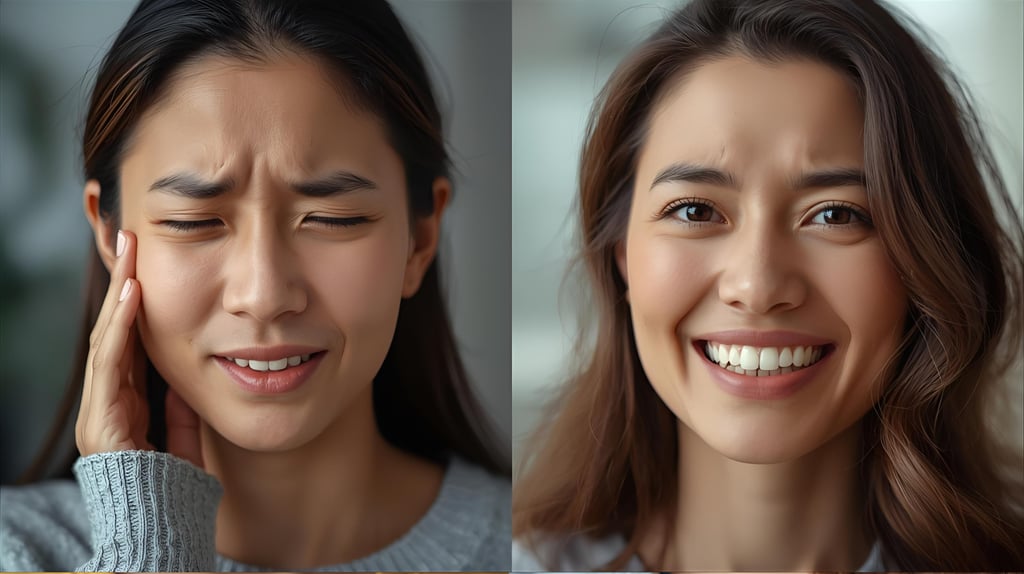
How Peroxide and PAP Work
Peroxide whitening has been used for years. It breaks down into reactive oxygen molecules that travel deep into the enamel to lighten stains. It works well, but it can also dehydrate the enamel surface and irritate the nerve inside the tooth. This is why short, sharp sensitivity is common after peroxide-based treatments.
PAP, or phthalimidoperoxycaproic acid, works in a much more controlled way. It still uses oxygen to break down stains, but it does so at the surface level instead of penetrating deeply. This limits irritation, avoids dehydration, and helps keep enamel feeling smooth and comfortable after treatment.
Results You Can Expect
Both peroxide and PAP can produce noticeable shade improvement after a single session. PAP tends to create a clean, natural brightness rather than an overly intense or artificial look. It enhances your natural shade without pushing the enamel beyond what looks realistic.
With good aftercare, the results from both systems can last several months. Lifestyle habits, oral hygiene, and maintenance all play a big role in longevity.
Sensitivity and Comfort
This is where PAP stands out. Peroxide often opens microscopic enamel channels, allowing temperature changes to reach the dentin layer and nerve. That is why many people feel “zingers” or temporary discomfort during or after peroxide treatments.
PAP avoids this. It does not open enamel channels, which means sensations are not amplified. Clients typically report that PAP whitening feels gentle during treatment and comfortable afterward, even if they already have sensitive teeth.
Enamel and Gum Friendliness
Peroxide is effective, but its strong oxidising action can feel harsh for people with delicate enamel or reactive gums. PAP is designed to be kinder. It works only at the surface and avoids the free radical release associated with peroxide. This leads to a smoother post-treatment feel and minimal irritation.
What to Expect During a GloSmilz Appointment
A typical whitening session lasts around 30 to 60 minutes. The PAP gel is applied while you relax in a calm, clean environment. Most clients notice a visible lift straight away. Because PAP is gentle, you leave without the dryness or sharp sensitivity that sometimes appears after peroxide whitening.
Who Each System Suits Best
Peroxide whitening is often chosen by people who are comfortable with occasional sensitivity or who have used peroxide before without issues. It can produce strong lift, but the comfort trade-off is real for many.
PAP is ideal for people who want a bright smile without discomfort. It is especially suitable for anyone with sensitive teeth, reactive gums, or those looking for a natural finish that enhances their own shade rather than drastically altering it.
Aftercare That Helps Both Methods Last
Regardless of the whitening system, good care makes a difference. Avoid dark foods and drinks for the first 24 hours, such as coffee, tea, red wine, tomato sauces, soy, and curry. Drink plenty of water, brush gently, and use non-abrasive toothpaste. For ongoing maintenance, a safe home kit or periodic refresh session keeps your smile bright. See our aftercare advice for post treatment.
The Takeaway
Both peroxide and PAP can whiten effectively. The key difference is comfort. PAP offers bright results with noticeably less sensitivity and a focus on enamel comfort. This is why GloSmilz uses a peroxide-free PAP system for clients who want visible improvement without the sting or dryness often linked to whitening.
GloSmilz
Experience luxury teeth whitening today.
Contact
+44 7880 236878
Or Click Here
© 2026. All rights reserved: GloSmilz